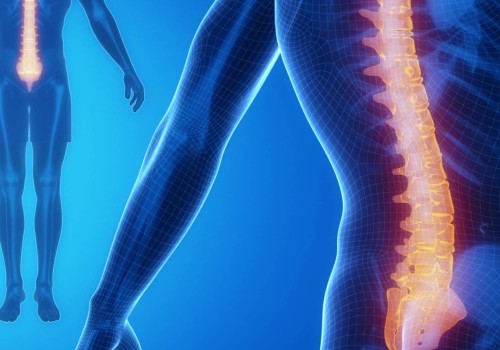
Spinal decompression is a chiropractic technique that may be considered for certain individuals experiencing back or neck discomfort. It generally involves controlled stretching or traction intended to reduce pressure on portions of the spine, with the specific approach depending on the equipment, practitioner, and patient's condition. A spinal decompression chiropractor can evaluate a patient's movement patterns, symptoms, medical history, and functional goals before determining whether this approach is appropriate. Because back and neck symptoms can have many causes, professional assessment is important before beginning treatment. Chiropractic care should also complement, rather than replace, appropriate medical evaluation when symptoms require additional investigation or specialized treatment.
Supporting Mobility and Everyday Function
Mobility plays an important role in maintaining independence and participating in everyday activities. Back or neck discomfort may make simple movements such as bending, walking, sitting, lifting, or turning more difficult. Depending on the underlying issue, chiropractic care may be incorporated into a broader plan focused on improving movement and physical function. A provider may also recommend exercises, stretching, posture adjustments, or activity modifications to support progress between appointments. Building healthier movement habits can help individuals become more aware of how they use their bodies throughout the day. The goal is not simply to provide short-term comfort but to encourage practical strategies that can support mobility and everyday functioning over time.
Connecting Physical and Emotional Wellness
Chronic or recurring discomfort can affect emotional well-being as well as physical function. Individuals dealing with persistent pain may experience frustration, irritability, sleep difficulties, reduced activity, or concerns about participating in activities they previously enjoyed. These experiences can influence motivation and overall quality of life. A comprehensive approach recognizes that physical and emotional health are interconnected while avoiding the assumption that psychological factors are the sole cause of physical symptoms. When emotional concerns become significant, professional psychological support can complement physical healthcare. Resources such as Cabot Psychological Services may be part of a broader support network for individuals seeking assistance with stress, anxiety, coping strategies, or other emotional challenges that accompany ongoing health concerns.
Encouraging Healthy Lifestyle Habits
Chiropractic care can be most effective as part of a broader lifestyle approach that includes regular movement, appropriate exercise, sufficient sleep, balanced nutrition, and healthy stress-management practices. Individuals who spend long periods sitting may benefit from taking movement breaks and adjusting their workstation, while those with physically demanding jobs may need guidance on safe lifting and body mechanics. Patients should follow recommendations from qualified healthcare professionals and avoid activities that worsen symptoms. Maintaining realistic expectations is also important because improvement can vary depending on the cause and severity of a condition. Consistency with appropriate habits may help individuals make meaningful progress toward improved physical function and greater confidence in daily movement.
Taking a Whole-Person Approach
Quality of life involves more than physical mobility. It can include the ability to work, participate in hobbies, maintain relationships, sleep comfortably, and perform everyday responsibilities with confidence. A spinal decompression chiropractor may contribute to these goals by addressing certain musculoskeletal concerns while working within the limits of their professional scope. However, individuals with severe pain, numbness, weakness, loss of coordination, or other concerning symptoms should seek appropriate medical evaluation. Ultimately, spinal decompression chiropractic care is best considered as one potential component of personalized wellness. By combining professional assessment with movement education, healthy lifestyle habits, emotional support when needed, and appropriate medical care, individuals can take a more comprehensive approach to mobility and quality of life. This whole-person perspective encourages sustainable progress while recognizing that each person's path toward better function and well-being can be different.